
The Significance of Documentation of Clan Deities’ History
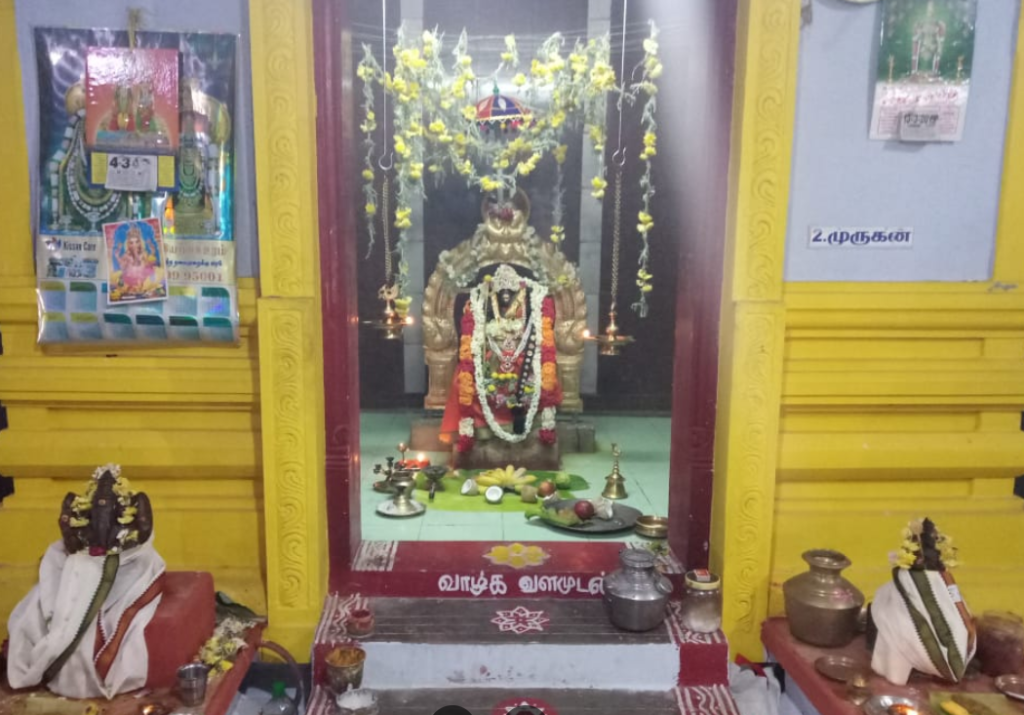
In the vast tapestry of human history, the stories of clan deities, often known as Kuldevatas, weave intricate patterns of cultural identity, tradition, and belief. These revered gods and goddesses are not only guardians of familial lineages but also bearers of historical narratives that connect generations to their ancestral roots. In the digital age, the documentation of clan deities’ history takes on profound significance, serving as a means to preserve, honor, and understand the rich legacy of these divine guardians.
Preserving Ancestral Legacy:
Clan deities have been revered for centuries, embodying the collective memory and heritage of familial lineages. Documenting their history ensures that the stories, rituals, and traditions associated with these deities are safeguarded for future generations. By preserving ancestral legacy in digital formats, families can pass down knowledge about their clan deities with greater accuracy and accessibility.
Understanding Cultural Identity:
The documentation of clan deities’ history offers insights into the cultural identity of communities and their unique religious practices. Through detailed records and narratives, individuals can explore the origins, myths, and symbolism surrounding their clan deities, deepening their understanding of who they are and where they come from. This understanding fosters a sense of belonging and pride in one’s cultural heritage.
Strengthening Community Bonds:
Clan deities often serve as focal points for community cohesion and solidarity. Documenting their history provides an opportunity for members of a clan or community to come together, share stories, and celebrate shared traditions. In the digital realm, online forums, archives, and social media platforms can serve as spaces for collective storytelling and the exchange of knowledge, strengthening bonds among community members.
Preserving Ritual Knowledge:
Rituals and ceremonies dedicated to clan deities form an integral part of cultural practices passed down through generations. Documentation of these rituals helps to preserve traditional knowledge and ensure the continuity of religious customs. Digital archives containing detailed descriptions, audiovisual recordings, and instructional materials enable individuals to learn and perform rituals with authenticity and reverence.
Facilitating Historical Research:
The documentation of clan deities’ history serves as a valuable resource for historians, anthropologists, and scholars interested in understanding the socio-cultural dynamics of past societies. By analyzing historical records, inscriptions, and artifacts related to clan deities, researchers can unravel the complexities of ancient belief systems, religious practices, and social structures.
Embracing Technological Advancements:
In an increasingly digital world, the documentation of clan deities’ history harnesses the power of technology to preserve and disseminate cultural heritage. Digital platforms, databases, and multimedia tools offer innovative ways to archive, share, and engage with historical information, reaching wider audiences across geographical boundaries.
In conclusion, the documentation of clan deities’ history holds immense significance in preserving ancestral legacy, understanding cultural identity, strengthening community bonds, preserving ritual knowledge, facilitating historical research, and embracing technological advancements. By documenting and honoring the stories of clan deities, we not only pay homage to our ancestors but also ensure that their legacy endures for generations to come.

